

Cybersecurity and
IT Resources

Restaurant Patch Management: How to Prove It Works
Restaurant patch management at scale requires automated discovery, phased deployment, rollback readiness, centralized visibility, and proof across every location.
Learn More
Restaurant Cybersecurity: Standardize Security at Scale
Learn how restaurant cybersecurity standardization helps CIOs enforce, verify, and scale security controls across every restaurant location.
Learn More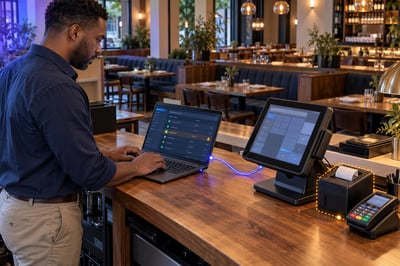
Restaurant Cybersecurity: Close Visibility Gaps
Restaurant cybersecurity needs centralized visibility. Learn how multi-location restaurant groups can reduce blind spots, improve response, and support PCI readiness.
Learn More
Managed IT Services for Restaurants: Scale Securely
Managed IT services for restaurants should standardize networks, security, access, monitoring, and support before expansion multiplies site-level gaps.
Learn More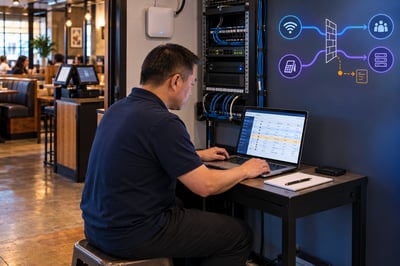
Managed IT Services for Restaurants: A Multi-Site IT Blueprint
Managed IT services for restaurants help multi-location groups standardize infrastructure, strengthen cybersecurity, and gain centralized visibility.
Learn More
Managed Cybersecurity Services for Restaurants | Logically
Managed cybersecurity services help multi-location restaurants verify controls, standardize infrastructure, reduce blind spots, and improve audit readiness.
Learn More
Cybersecurity Posture for Restaurant Groups
Passing location audits does not prove restaurant cybersecurity at enterprise scale. Learn how standardization improves visibility, control, and audit readiness.
Learn More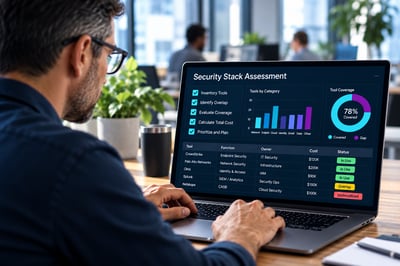
Security Stack Consolidation: A Practical Guide for Mid-Market IT Leaders
Security stack consolidation can reduce tool sprawl, improve visibility, and streamline response. Learn a practical framework for mid-market IT leaders.
Learn More
AI-Powered Network Operations: What’s Changing for Retail and Hospitality IT
See how AI-powered network operations help retail and hospitality IT teams troubleshoot faster, improve visibility, and move from reactive to proactive.
Learn More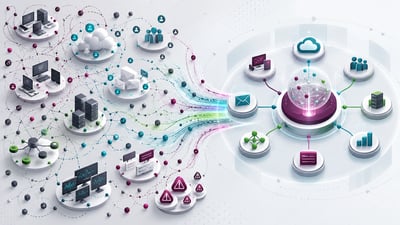
Cybersecurity Tool Sprawl: Why Companies Struggle
Cybersecurity tool sprawl fragments visibility, increases alert fatigue, and slows response. Learn how to simplify tools without creating new security gaps.
Learn More
Microsoft 365 AI Agents: What IT Leaders Need to Know in 2026
Learn how Microsoft 365 AI agents, Work IQ, Copilot Cowork, and Agent 365 change enterprise work, security, governance, and AI adoption.
Learn More
Akira Ransomware Rebooted Into Safe Mode to Kill EDR, But the Encryption Failed
An Akira ransomware affiliate used Windows Safe Mode to disable EDR and Defender, but encryption failed. Learn what happened and how to reduce risk.
Learn More
How Managed IT Services Reduce Downtime
Managed IT services reduce downtime through proactive monitoring, preventive maintenance, faster incident response, tested recovery, and cyber-first resilience.
Learn More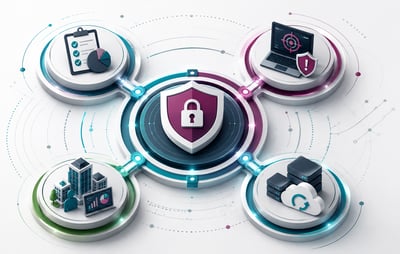
Cyber Resilience vs. Cybersecurity: What’s the Difference?
Cyber resilience vs. cybersecurity: learn how protection, incident response, business continuity, and recovery work together to reduce business risk.
Learn More
Managed IT Services vs. Outsourcing: Key Differences, Benefits, Costs, and How to Choose
Understand the differences between managed IT services and outsourcing. Find out which model fits your business scaling goals and cybersecurity needs.
Learn More
Your Microsoft 365 Renewal Looks Accurate. A License Review May Tell a Different Story.
Multiple plants. Multiple licensing practices. One Microsoft 365 license review can uncover hidden waste before renewal.
Learn More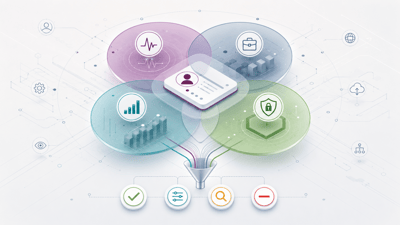
Microsoft 365 License Audit: Why Clean Seat Counts Can Hide Utilization Gaps
A Microsoft 365 license audit reveals unused seats, misaligned plans, security exposures, and renewal risks that routine license counts often miss.
Learn More
Autonomous AI Security: What the Hugging Face Incident Means for Business Leaders
Learn what the Hugging Face incident reveals about autonomous AI security, agent access, sandboxing, monitoring, governance, and incident response.
Learn More
Microsoft Purview for Microsoft 365 Copilot: 5 Updates to Prioritize
Learn how Microsoft Purview for Microsoft 365 Copilot strengthens data governance, DLP, insider risk management, eDiscovery, and security operations.
Learn More
How Do Managed Security Services Reduce Overall Organizational Cyber Risk?
See how unified IT and cybersecurity operations help mid-market organizations reduce cyber risk.
Learn More
What Do the New Cybersecurity and AI Executive Orders Mean for Your Organization?
What new cybersecurity and AI Executive Orders mean for cyber risk, critical infrastructure, AI security, and how Logically can help.
Learn More.jpg?width=400&height=300&name=Untitled%20design%20(59).jpg)
How Can SMBs Maximize Security and Value with Microsoft 365 Business Premium?
Learn how SMBs can use Microsoft 365 Business Premium to strengthen security, reduce tool sprawl, and get more value from their Microsoft investment today.
Learn More
Case Study: Restaurant Network Infrastructure Modernization at Cameron Mitchell Restaurants
See how Cameron Mitchell Restaurants used restaurant network infrastructure modernization to improve Wi-Fi, security and scale across 74 locations.
Learn More
What Is FortiBleed? What It Is, What It Isn’t, and How Logically Is Responding
FortiBleed is a credential compromise campaign. Learn what it means, why MFA matters, and how Logically is responding to reduce exposure.
Learn More
Surviving and Thriving Amid Cyber Regulation Overload: Strengthen Governance, Cyber Hygiene, and Compliance Readiness
Learn how cybersecurity governance, cyber hygiene, and compliance readiness reduce risk, improve resilience, and support evolving regulations.
Learn More
Deepfake Cybersecurity: How Mid-Market Businesses Can Defend Against AI-Powered Impersonation Attacks
Deepfake cybersecurity helps businesses prevent AI-powered impersonation attacks through governance, verification controls, and secure AI adoption.
Learn More
Cybersecurity Responsibility Starts at the Edge: Why One Simple Habit Matters More Than You Think
Cybersecurity responsibility starts at the router. Learn how simple habits like updates and weekly reboots reduce risk across home and business networks.
Learn More
Why Password Policies Are Failing in 2026, and What Actually Works Now
Password policies are failing in 2026. Learn why credential reuse drives breaches and how MFA, passwordless, and modern authentication improve security.
Learn More
FortiClient EMS Zero-Day: What CVE-2026-35616 Means for Your Organization
Learn what the FortiClient EMS zero-day CVE-2026-35616 means for your organization, who is affected, and how Logically is validating exposure.
Learn More
World Backup Day 2026: Why Cyber Resilience Now Defines Modern Backup Strategy
World Backup Day 2026 highlights why cyber resilience, immutable backups, and secure recovery now define modern backup strategy.
Learn More
AI Hardware Shortages Are Reshaping IT Infrastructure Planning: What CIOs and IT Leaders Should Do Now
AI-driven hardware shortages are reshaping IT planning. Discover strategies to reduce procurement risk and maintain business momentum.
Learn More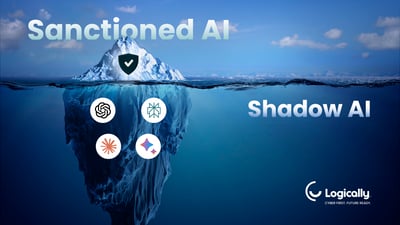
Shadow AI Is Scaling Faster Than Most Organizations Can Govern It
Shadow AI is creating governance, compliance, and cybersecurity risks as organizations adopt AI faster than IT teams can control it.
Learn More
Fortinet CVE-2026-24858: Why Proactive Security Matters More Than Vulnerability Response
Logically’s security-first approach protected customers from the Fortinet CVE-2026-24858 vulnerability through proactive configuration and upgrades.
Learn More
Privacy-Ready AI Governance: How Mid-Market Organizations Can Reduce AI Risk and Build Trust
Learn how mid-market organizations can reduce AI privacy risk, strengthen governance, improve compliance, and build trust through responsible AI adoption.
Learn More
Cybersecurity Best Practices for 2026: 9 Policies Every Business Should Have in Place
Learn cybersecurity best practices every business should implement in 2026, from identity security and SaaS governance to incident response and vendor risk management.
Learn More
Cyber Insurance Readiness for Mid-Market Companies: How to Strengthen Controls, Reduce Risk, and Improve Insurability
Cyber insurance readiness helps mid-market companies strengthen controls, reduce risk, improve documentation, and support insurability.
Learn More
M365 Copilot Adoption Framework: How to Scale Copilot With Measurable Business Value
Scale M365 Copilot beyond the pilot with a practical framework for stronger adoption, role-based training, governance, and measurable business value.
Learn More.webp?width=400&height=300&name=Logically%20Uncovered%20Webinar%20Series%20(3).webp)
Logically Uncovered Webinar Series - Hacking Healthcare IT Budgets
Learn how brute force attacks target firewalls and how MFA, Geo-IP filtering, trusted IP restrictions, and SSL VPN access controls can reduce risk.
Learn More
AI Readiness for Mid-Market Organizations: What IT and Security Leaders Learned at LogicON 2025
Explore how LogicON 2025 helped IT and security leaders build AI readiness for mid-market organizations through governance, cybersecurity, digital trust, and managed AI.
Learn More
Cybersecurity Awareness Training: How to Build a Culture of Security That Lasts All Year
Build effective cybersecurity awareness training that engages employees, reduces human risk, and strengthens your security culture year-round.
Learn More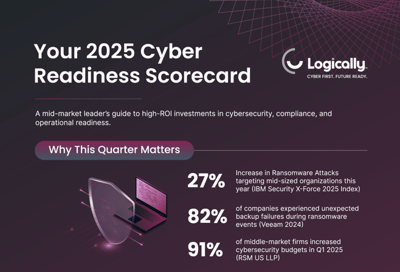
2025 Cybersecurity Readiness Scorecard
Assess your cyber readiness with a practical scorecard covering threat monitoring, MFA, backup recovery, risk assessments, and high-impact security investments.
Learn More
Windows 10 End of Life: Risks and Windows 11 Migration
Windows 10 support has ended. Learn how to reduce security and compliance risks, use ESU, prioritize devices, and plan a Windows 11 migration.
Learn More
The Next Era of Networking: Why IT Leaders Need a Unified Networking Platform for the AI Age
Learn why unified networking platforms are critical for AI-ready infrastructure, improving security, automation, visibility, scalability, and IT efficiency.
Learn More
SonicWall SMA100 Migration: Replace Unsupported VPN Appliances
Plan your SonicWall SMA100 migration to reduce security risk, restore vendor support, and move from a legacy VPN to modern zero-trust access.
Learn More
AI Infrastructure Security: How to Secure and Scale the Cloud Edge
AI infrastructure security starts at the cloud edge. Learn how SASE, threat detection, and adaptive access protect distributed AI systems.
Learn More
Make Your Final 2025 Dollars Count: How Mid-Market Firms Can Strengthen IT Before Year-End
Learn how mid-market firms can use remaining end-of-year IT budget to reduce cyber risk, improve resilience, and prepare for 2026.
Learn More
Business Email Compromise in Healthcare: 7 Defenses
Business email compromise in healthcare can expose funds, credentials, and ePHI. Learn seven defenses, including MFA, DMARC, and continuous monitoring.
Learn More
Cybersecurity Budgeting: 5 Smart Strategies for IT Leaders
Learn five cybersecurity budgeting strategies that help IT leaders quantify risk, prove ROI, prioritize investments, and gain executive approval.
Learn More.png?width=400&height=300&name=Logically%20Uncovered%20Webinar%20Series%20(3).png)
Logically Uncovered: Navigating Windows 10 EOL and Server Upgrades Before Budget Season
As Windows 10 nears its end-of-life in October 2025, IT and security leaders face a critical moment to align infrastructure planning with security and compliance goals. This timely on-demand webinar helps you navigate the risks of delay and prepares you to communicate urgent upgrade needs ahead of 2026 budget deadlines.
Learn More
Zero Trust in Retail: How to Protect Your Business in 2025 and Beyond
Retailers are under constant attack, and the old security playbook isn’t enough anymore. Zero Trust isn’t just a buzzword: it’s the new foundation for protecting your operations, customer trust, and brand reputation.
Learn More
CVE-2025-24477: Fortinet Vulnerability FG-IR-25-026
CVE-2025-24477 is a Fortinet FortiOS vulnerability affecting specific devices and firmware versions. Learn who is affected and what actions to take.
Learn More
Logically Uncovered: Navigating Tariffs: What IT Leaders Need to Know to Protect Budgets and Plan Ahead
With new tariff changes shaking up the market, mid-market IT leaders are facing growing uncertainty about how these shifts could potentially impact the cost and availability of critical technology. Watch the webinar and learn how to evaluate the risk to your organization, what signals to watch for from vendors, and how to make informed decisions around inventory, procurement, and spending.
Learn More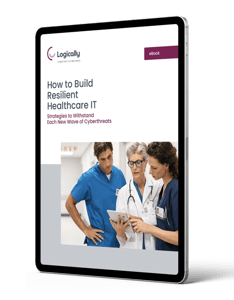
How to Build Resilient Healthcare IT
Explore practical strategies to strengthen your healthcare IT environment against disruptions and cyber threats. This ebook covers best practices for enhancing security, ensuring compliance, and maintaining operational continuity.
Learn More
IoMT Cybersecurity: What Healthcare CIOs and CISOs Need to Do Next
IoMT cybersecurity helps healthcare organizations secure connected medical devices, reduce attack surface risk, and protect clinical operations.
Learn More
AI Healthcare Cybersecurity: How Healthcare Leaders Can Defend Against Phishing, Deepfakes, and Ransomware
AI healthcare cybersecurity is now essential as attackers use phishing, deepfakes, and adaptive malware to target clinical operations, data, and trust.
Learn More
HIPAA Compliance Services for Healthcare IT Resilience
HIPAA compliance services help healthcare organizations protect ePHI, strengthen cybersecurity controls, simplify audit readiness, and build resilient IT operations.
Learn More
Why Is Proactive IT Support Essential for Mid-Market Resilience?
Learn why proactive IT support helps mid-market businesses prevent downtime, improve cybersecurity, reduce costs, and build resilience.
Learn More.png?width=400&height=300&name=%5BPC%20-%20Ebook%5D%20TYP%20IT%20RFP%20Template%20(1).png)
Managed Services Provider Request for Proposal Template
Get your own complimentary copy of Logically’s managed services provider Request for Proposal template.
Learn More
IT Tariff Planning: How Leaders Can Protect Budgets and Technology Strategies
Learn how IT tariff planning can help technology leaders manage rising costs, procurement volatility, vendor risk, and changing infrastructure priorities.
Learn More
Microsoft 365 for Nonprofits: Benefits, Risks, and IT Planning Tips
Microsoft 365 for nonprofits can reduce costs, improve collaboration, and strengthen security. Learn benefits, risks, licensing tips, and IT planning steps.
Learn More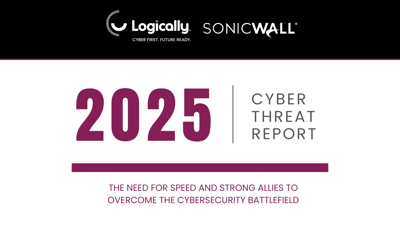
2025 Cyber Threat Landscape: What SonicWall’s Annual Report Means for Your Business
Explore the 2025 cyber threat landscape, where 61% of exploits hit within 48 hours and ransomware costs average $4.91M per incident.
Learn More
Cybersecurity Best Practices for Businesses in 2026
Follow six cybersecurity best practices for businesses to reduce risk, strengthen security posture, protect data, and build cyber resilience in 2026.
Learn More.png?width=400&height=300&name=Microsoft%20(1).png)
Microsoft 365 Licensing Optimization: How Organizations Can Reduce Waste and Maximize Value
Learn how Microsoft 365 licensing optimization reduces software waste, improves governance, strengthens security, and maximizes ROI.
Learn More
Cybersecurity Threats in 2025: What the Huntress Report Means for Your Business
Explore the Huntress 2025 Cyber Threat Report and learn how to defend against ransomware, phishing, credential theft, and identity-based attacks.
Learn More
Why Outsource to a Managed IT Service Provider?
Small and mid-sized businesses (SMBs) have unique challenges when it comes to IT. MSPs help SMBs gain access to the technology that can help achieve their goals - along with the experts to manage it and keep their data secure and protected.
Learn More
Security Audit & Compliance: What Every Business Needs to Know
Check out the Security Audit & Compliance e-book to learn how a layered approach to data protection—including cybersecurity technology, a compliance framework, and a knowledgeable security team—is essential to prevent data breaches and enforce regulatory standards.
Learn More
Overcome IT Complexity: A Survival Guide for Small and Midsize Businesses
Many small to midsize business IT organizations struggle to keep pace with the constant evolution of technology in the modern business environment. Our free Survival Guide can help you understand and overcome IT complexity so that you can put technology to work for your business.
Learn More.png?width=400&height=300&name=Top%205%20New%20Teams%20Features%20to%20Boost%20Productivity%20in%202025%20(5).png)
SecureByte Gazette: How to Conduct a Cybersecurity Gap Analysis to Reduce Business Risk
Learn how to conduct a cybersecurity gap analysis, prioritize security risks, close control gaps, and build a roadmap for stronger resilience.
Learn More
Understanding Distributed Networks in Retail: Why Scalability and Reliability Matter
Learn how distributed networks improve scalability, reliability, cybersecurity, and operational resilience for modern retail organizations.
Learn More-3.png?width=400&height=300&name=Untitled%20design%20(5)-3.png)
Logically Uncovered: Top 3 Challenges in Retail
Join us for an exclusive online event where two industry leaders, Zack Finstad, VP of Cybersecurity, and Todd Barret, Director of Cybersecurity Sales, will come together to discuss the top three challenges facing the retail industry in cybersecurity.
Learn More
Cyber Resilience in Retail and Hospitality: 5 Strategies
Cyber resilience in retail and hospitality protects uptime, customer data, and revenue. Learn five practical strategies for stronger security and recovery.
Learn More
How to Overcome the Top 3 Cybersecurity Challenges in Retail and Hospitality
To ensure your business meets—or, ideally, exceeds—customer expectations, your IT teams must address three challenges that negatively impact the customer experience: complex technology environments, lack of scalability, and insufficient cyber resilience.
Learn More
The Hidden Costs of IT Complexity in Retail and Hospitality
Discover the hidden costs of IT complexity in retail and hospitality, including cybersecurity risk, downtime, operational inefficiencies, and lost revenue.
Learn More
How Retail and Hospitality Franchises Benefit from Scalable IT Solutions
Scalable IT solutions help retail and hospitality franchises improve security, reduce downtime, centralize operations, and support long-term growth.
Learn More
Leveraging Virtual CISO and Virtual CIO Expertise for Enhanced Cybersecurity and Technology Strategy
Virtual CIOs and CISOs (vCIOs and vCISOs) fulfill many of the same responsibilities as their in-house counterparts. However, there are several benefits to outsourcing these services to a trusted partner.
Learn More/Manufacturing%20Thumbnail.png?width=400&height=300&name=Manufacturing%20Thumbnail.png)
5 Signs Manufacturers Need to Change Their MSP
When your IT partner isn’t delivering as expected, the relationship can get strenuous and in turn, affect your business. For manufacturing businesses, the landscape is getting increasingly complex with IT being an essential element of the business and having an unresponsive Managed IT Service Provider can anchor your business.?
Learn More
The Definitive Guide to Security Assessments: Keeping Your Business Safe in the Digital Age
Whether your organization has a mature cybersecurity program and is looking to bolster its effectiveness or your team is just beginning to explore the benefits of security assessments, learn what you need to know about these powerful evaluation tools.
Learn More
Simplifying Security Audit & Compliance For Healthcare
The healthcare industry is faced with unique IT, security, and compliance challenges. A trusted IT ally can help health facilities identify vulnerabilities, oversee compliance requirements as well as?common protocols and offer solutions as needed to meet required standards.?
Learn More
From Challenges to Solutions: Enhancing Your SOC Through AI Integration
AI is a solution. But is it right for your SOC team? The goal of this white paper is to answer all of those questions for you. Because this isn't something you want to decide without knowing the facts.
Learn More
Hoping for the Best, Preparing for the Worst: Why Business Continuity Planning Should Be the Foundation for Your Business
During a disaster, your company's success depends on your people and processes working without interruption. Being able to handle any crisis effectively can increase your company's value and customer confidence.
Learn More
Protecting Against Zero Day Attacks with Managed IT Services
Zero Day Attacks represent one of the greatest threats to your organization's security. During the attack, hackers find and target software vulnerabilities to gain access to your network before the associated vendor can issue a fix.
Learn More
SOC Alternative Cost Calculator
Use our ROI calculator to discover how much you could save with an AI-driven SOC-as-a-Service (SOCaaS) solution.
Learn More
Migration to Microsoft Azure: A Technical Overview
87% of organizations are planning to integrate on-premises data centers with the public cloud. But without a strong plan, risks can include a complex and time-consuming migration process compounded by lack of relevant skills, loss of control from moving computer resources off-premises, bandwidth issues, and unexpected costs. Learn how to create a strong roadmap to help your organization run in the cloud.
Learn More
Copilot for Microsoft 365 Guide
Learn more about Microsoft Copilot, including the benefits of integrating AI with Microsoft 365, five productivity outcomes, security and compliance considerations, and what the future looks like for Copilot.
Learn More.png?width=400&height=300&name=Top%205%20New%20Teams%20Features%20to%20Boost%20Productivity%20in%202025%20(4).png)
Microsoft Insights: A Phased Approach for Onboarding AI Tools
Follow a five-phase Microsoft 365 Copilot onboarding approach covering governance, licensing, employee training, workflow integration, and adoption.
Learn More.png?width=400&height=300&name=Top%205%20New%20Teams%20Features%20to%20Boost%20Productivity%20in%202025%20(3).png)
How to Prevent Brute Force Attacks Against Your Firewall
Learn how to prevent brute force attacks against firewalls using MFA, access restrictions, rate limiting, monitoring, and secure remote access practices.
Learn More
Small Business Cybersecurity Roadmap: How to Scale Securely
Use this small business cybersecurity roadmap to reduce risk, prepare for incidents, and scale securely with the right IT support.
Learn More-2.png?width=400&height=300&name=AIs%20Impact%20(1)-2.png)
Logically Uncovered: Firewall Protection
Join Logically’s cybersecurity experts VP of Cybersecurity, Zack Finstad, and Network Security Manager, Kyle Sandy, for an insightful webinar designed to help you fortify your network against threats and protecting your firewall from increased brute force attacks. We’ll dive into the nature of brute force attacks, explore their primary points of entry, and share actionable security measures you can implement to protect your infrastructure.
Learn More
Microsoft Teams 2025 Features Are Reshaping Hybrid Work
Discover the top Microsoft Teams 2025 features improving hybrid work, AI productivity, collaboration workflows, and workplace coordination.
Learn More
Logically Uncovered: Market Horizons
Join us for an exclusive fireside chat with Josh Skeens, CEO of Logically, as he shares his expert insights on the current market landscape and forecasts for 2025.
Learn More
Cybersecurity Trends in 2026: 5 Mid-Market Priorities
Cybersecurity trends in 2026 are reshaping mid-market risk. Learn five priorities for identity, AI-driven threats, data governance, resilience, and response.
Learn More
Cyber Insurance Requirements: Essential Insights for IT and Business Leaders
Cyber insurance requirements can reveal cybersecurity gaps and influence coverage. Learn what IT and business leaders should evaluate before renewal.
Learn More.jpeg?width=400&height=300&name=AdobeStock_1003503795%20(1).jpeg)
Zero Trust Network Access (ZTNA): How It Works
Learn what zero trust network access (ZTNA) is, how it verifies users and devices, and how businesses can use it to reduce access risk.
Learn More
Logically Uncovered: Copilot in Action: From Promise to Performance in Your Microsoft 365 Tenant
In this webinar, understand the power of Microsoft's Co-Pilot and unlock the full potential in your organization.
Learn More
Logically Uncovered: Strategic Budgeting and Planning for IT Leaders in 2025
In this webinar, learn best practices for budgeting and planning as we approach the critical 2025 refresh cycle.
Learn More
Logically Uncovered: Network Fabric, Segmentation & How They Stop a Serious Security Incident
In this webinar, learn how fabric architectures are shaping the future of cybersecurity and why segmentation is essential to that evolution.
Learn More
Elevating Your Security Posture: A Guide to the NIST Cybersecurity Framework 2.0
Read the whitepaper today.
Learn More
Mitigating Modern Threats: How Zero Trust Solutions Bolster Your Security Posture
Read the whitepaper today.
Learn More
Microsoft Windows Server 2012 & 2012 R2 Brief
Download our brief for details about upcoming technology end-of-support schedules and uncover steps for creating your refresh process.
Learn More
Logically Uncovered: PSTN and ISDN Changes & Their Impact on Your Telecom Budget
In this on-demand webinar, we delve into the Public Switched Telephone Network (PSTN) and Integrated Services Digital Network (ISDN) changes.
Learn More
The Modern SOC: How to Leverage AI-Based SecOps and Quantify the Value of Cybersecurity
Download this white paper to learn how and why to include AI in your SOC, SecOps, and cybersecurity strategies
Learn More
Logically Uncovered: Navigating Zero Trust
Join our webinar to learn about zero trust, including its principles, roles in cybersecurity, and contrast with traditional security controls.
Learn More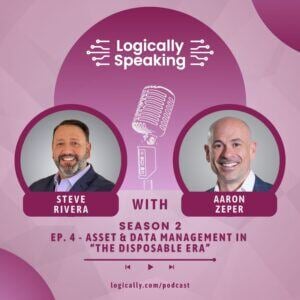
Ep. 4 – Asset & Data Management in “The Disposable Era”
Know the chain of responsibility when it comes to data and asset management in this episode of Logically Speaking with guest, Aaron Zeper, CEO of DMD Systems.
Learn More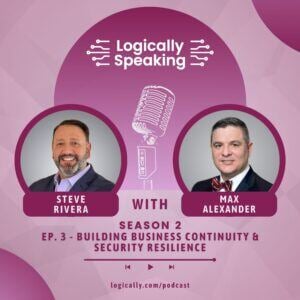
Ep. 3 – Building Business Continuity & Resilience
In this episode of Logically Speaking, learn threat actor TTPs hitting SMBs and the recovery process to maintain business continuity.
Learn More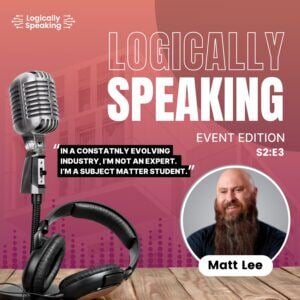
Decoding Cybersecurity: The Nuances of Securing Tech
Join the interview with Matt Lee at BlackHat 2023 where he decodes cybersecurity by taking a look a the history of technology.
Learn More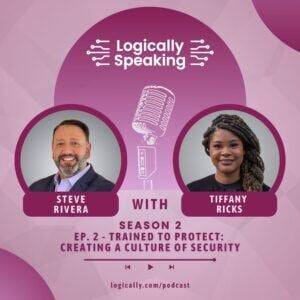
Ep. 2 – Trained to Protect: Creating a Culture of Security
We're welcoming cybersecurity awareness month with former Pentester and current CEO of HacWare, Tiffany Ricks who shares insights on security culture.
Learn More
Enhancing Network Security with CylanceOptics: From Detection to Response
Learn about CylanceOptics EDR during this on-demand webinar. Discover key requirements, significance and advantages of using Optics.
Learn More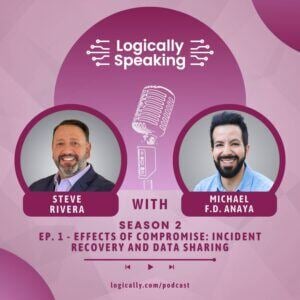
Ep. 1 – Effects of Compromise: Incident Recovery and Data Sharing
We're back with Season 2 and Former FBI special agent, Michael Anaya, shares insights on business compromise, pre and post breach.
Learn More
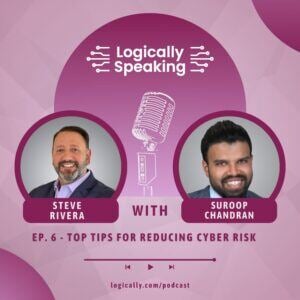
Ep. 6 – Top Tips for Reducing Cyber Risk with Suroop Chandran at SonicWall
In this week's episode, special guest Suroop Chandran from SonicWall, shares threat intelligence insights and top tips for reducing cyber risk.
Learn More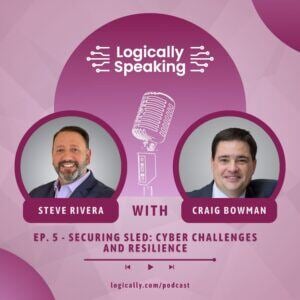
Ep. 5 – Securing SLED: Cyber Challenges and Resilience
In this week's episode, special guest Craig Bowman from VMWare, shares insights on cyber attacks targeting government and education sectors.
Learn More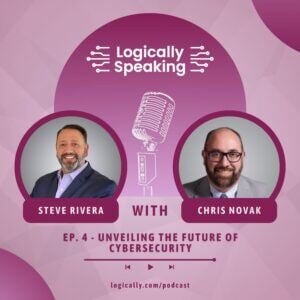
Ep. 4 – Unveiling the Future of Cybersecurity
Logically Speaking Ep. 4: Chris Novak will teach you how to protect your business from cyberattacks in today’s rapidly evolving threat landscape.
Learn More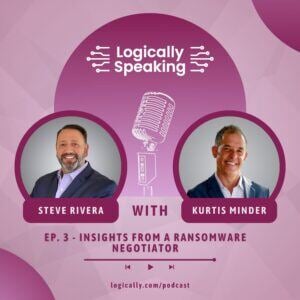
Ep. 3 – Insights from a Ransomware Negotiator
Logically Speaking Ep. 3: Ransomware negotiator Kurtis Minder shares tips to protect your business against ransomware.
Learn More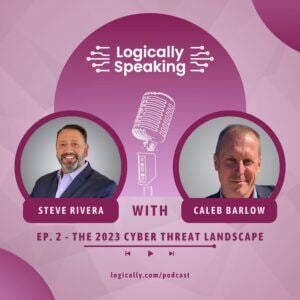
Ep. 2 - The 2023 Cyber Threat Landscape
Logically Speaking Ep. 2: Hear information security entrepreneur Caleb Barlow explore the current threat landscape facing mid-market businesses.
Learn More



Six Reasons to Switch Managed Service Providers
Learn how to tell if your specific MSP is missing the mark, as well as what questions to ask prospective MSPs you’re considering as your next choice.
Learn More
Defining Your Journey to the Cloud
Download this white paper to learn how organizations look to move to the cloud and what the process of moving to the cloud looks like generally.
Learn More
MSP Buyer's Guide
This IT MSP Buyer’s Guide will help you leverage technology to achieve your goals and take the pain out of IT.
Learn More
Ep. 1 - Secure by Design: Building Safe Applications
Logically Speaking Ep. 1: The hosts discuss DevSecOps, application security, and the integration of AI to help identify pre-zero-day vulnerabilities.
Learn More
Understanding Cyber Insurability Requirements
Learn how to protect your business with cyber insurance during this webinar. Discover key requirements like MFA, EDR/MDR/XDR, and more.
Learn More
Why Application Security is Crucial in Today’s Digital Landscape
Protect your business from cyber threats with tips and strategies on application security, MFA, cloud security, Office 365, and SaaS Alerts.
Learn More
How Risk Assessment Results Help Optimize Cyber Insurance Coverage
Optimize your cyber insurance coverage based on risk assessment results. Watch this webinar for next steps and how to update your policy.
Learn More
AMA - How to Clean Up Your Data Nightmares Webinar Watch
During this AMA session, we'll take your data nightmares and show you how to clean them up to make the data work for you.
Learn More
AMA – The Difference Between Office 365 & Microsoft 365 Licensing Webinar Watch
The Microsoft ecosystem can be (and typically is) confusing by nature. In this AMA, our team speaks to the “gotchas” that can arise.
Learn More
Microsoft 365 Copilot Adoption: 5-Phase Plan
Microsoft 365 Copilot adoption works best with a phased plan for readiness, role-based training, workflow integration, governance, and measurement.
Learn More
AMA – Governance and Compliance – The Foundation of Reliable and Mature Cybersecurity Webinar Watch
Watch this ask-me-anything session to learn how governance and compliance contribute to a reliable and mature cybersecurity defense posture.
Learn More
The Difference Between EDR, MDR, & XDR, and Why You Need Them
Watch this ask-me-anything session, in which security experts discuss the differences between EDR, MDR, and XDR and how each tool can benefit your business
Learn More
Cybersecurity Awareness Month SonicWall Cyber Threat Report: Mid-Year Update
Cybersecurity and operations leaders from Logically and SonicWall discuss the most impactful findings from SonicWall’s "Mid-Year Threat Report."
Learn More
Cybersecurity & Insurance is Top of Mind to All Your Clients Watch Webinar
Tune in with the Logically and its partners, DataStream Insurance and TCG, for an in-depth discussion about cybersecurity and insurance.
Learn More
Combating Supply Chain Issues with Device-As-A-Service Watch webinar
Watch this on-demand webinar to learn how businesses can combat supply chain issues with device-as-a-service solutions.
Learn More
EDR and SIEM-SOC Webinar
In this webinar, we will review the importance of having an Endpoint Detection and Response -EDR- solution and a SIEM SOC solution in place.
Learn More
Making the Most of Logically as Your IT Utility Belt
Watch this on-demand webinar to learn how to get the most out of Logically’s services and solutions.
Learn More
Smarter Telecom with Logically
Join our webinar for a deep dive discussion on telecom, how to choose from a wide variety of different carriers, prioritize options, and save money.
Learn More
Avoiding the Phish Bowl
Phishing emails are the easiest way for cyber criminals to get into your environment. This webinar will review best practices for phishing.
Learn More
Why Threat Detection Has Become Just as Important as Prevention
This webinar is a deep-dive discussion on the shifts in the cybersecurity landscape that continue to cause the increased focus on detection and XDR.
Learn More
Cisco Solutions for Your Business Webinar
Watch this to learn how Cisco solutions can help your business's webinar needs.
Learn More
Defining Your Organization’s Path to the Cloud
Watch this on-demand webinar to learn why and how organizations are moving essential operations to the cloud.
Learn More
A Layered Approach to Security
Learn more about Huntress Labs, a security platform that helps organizations minimize their risk for cyberattacks.
Learn More
Business Value Creation and Acquisition in the World of COVID Webinar
Check out our webinar to understand the business value creation and acquisition in a post-pandemic world.
Learn More
Making Hackers Earn Their Access
In this webinar, an ex-NSA operator shows exactly how hackers target victims, compromise computers, and what they can do with little effort.
Learn More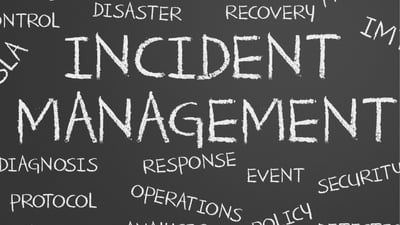
Creating Your Disaster Recovery and Incident Response Plan
A Disaster Recovery and Incident Response plan is a critical part of your security strategy. Are you prepared for a breach or cyberattack?
Learn More
The Fear Factor
Security is a top priority for organizations today. This webinar will help organizations improve their security posture.
Learn More
Application Security
This webinar, Aaron Scurlock uses his over 15 years experience in IT management reviewing the elements of application security within your environment.
Learn More
How Not to Be a Victim
In this webinar, we review the basics of security training and how not to be a victim of a breach or attack. This webinar is presented by Tyler Booker, Senior Auditor, at Logically.
Learn More
CIS Risk Assessment Methodology
In this webinar, we review the Risk Assessment Methodology as directed by CIS. This webinar is presented by Greg Manson, Vice President of Security, Audit, and Compliance at Logically.
Learn More
Team Up: Using Microsoft Teams
Watch this on-demand webinar to learn why Microsoft Teams is a top choice for businesses that need a reliable, scalable collaboration tool.
Learn More
Best Practices for Working Remotely
This webinar will review the basics of remote support to ensure your users are prepared to work remotely in a secure manner.
Learn More
Surviving COVID-19: Creating a Healthy Work Life Balance
In this webinar, you learn some coping skills to maintain a healthy work-life balance.
Learn More
Three Reasons Why You Should Outsource Your IT
Learn about the challenges of managing technology and why you should consider outsourcing to an MSP.
Learn More
Untangling the Cloud for Your Business
Watch this on-demand webinar to learn common cloud misconceptions, how to prioritize cloud services, and tips to successfully move to the cloud.
Learn More
Team Collaboration in the Cloud
Watch this on-demand webinar to learn how Microsoft Teams can bridge communication gaps in your remote workforce.
Learn More
Six Reasons it May Be Time to Switch IT Service Providers
Watch this on-demand webinar to learn common cloud misconceptions, how to prioritize cloud services, and tips to successfully move to the cloud.
Learn More
Firewall Brute Force Attacks: How to Protect Your Network
Firewall brute force attacks target exposed VPN and login services. Learn six practical controls that reduce credential abuse and unauthorized access.
Learn More
Case Study: Cameron Mitchell Restaurants Transforms Network Infrastructure
Cameron Mitchell Restaurants revamps network infrastructure with Extreme Networks and SonicWall, enhancing security, performance, and scalability across 74 locations.
Learn More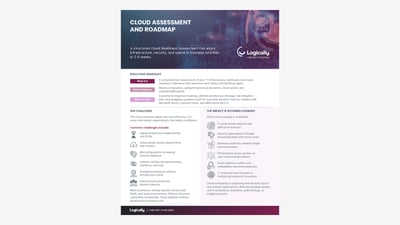
Cloud Assessment and Roadmap
A structured Cloud Readiness Assessment that aligns infrastructure, security, and spend to business priorities in 2-6 weeks.
Learn More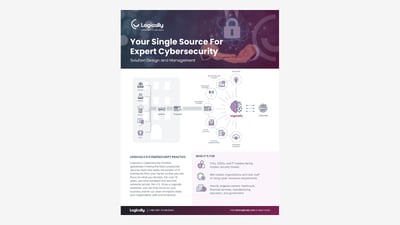
Managed Cybersecurity Services
Unify your cybersecurity strategy with expert-led monitoring and response, bridging gaps in visibility and risk management for a secure IT environment.
Learn More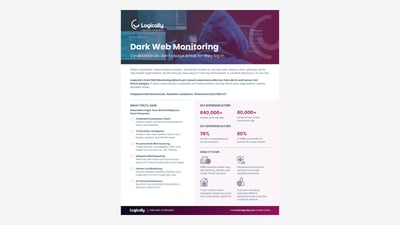
Dark Web Monitoring
Protect your organization from silent risks with Logically's Dark Web Monitoring. Receive real-time alerts and expert analysis to prevent breaches.
Learn More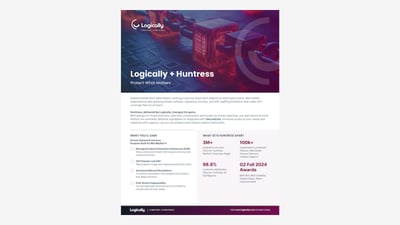
Managed EDR and SOC Services with Huntress
Enhance your security with human-led detection and real-time response against advanced threats with managed EDR and SOC services.
Learn More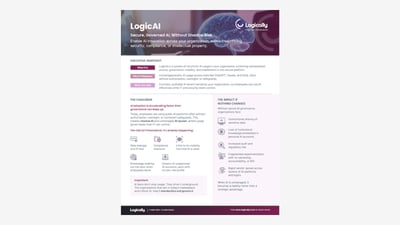
LogicAI
Enable secure AI innovation with LogicAI's centralized platform, empowering leaders to manage risk, compliance, and operational complexity.
Learn More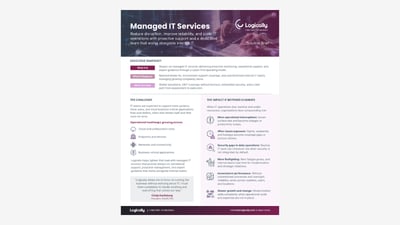
Managed IT Solution Brief
Streamline your IT operations with Logically's managed services, featuring proactive monitoring and expert support.
Learn More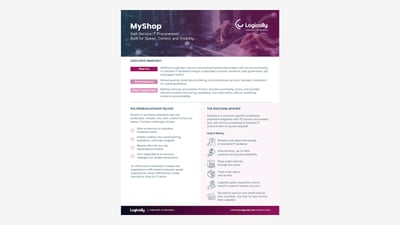
MyShop Self-Service IT Procurement
Streamline IT hardware purchasing with MyShop, Logically's secure e-procurement portal, offering real-time pricing and full order visibility.
Learn More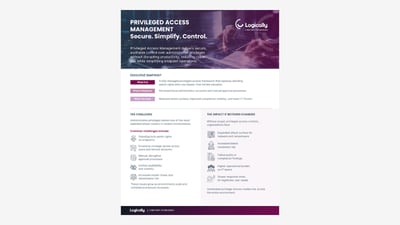
Privileged Access Management
Implement a managed Privileged Access Management solution to eliminate admin rights, reduce risks, and enhance security without disrupting productivity.
Learn More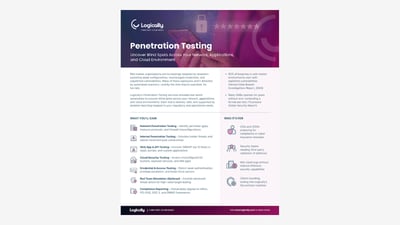
Penetration Testing Services to Uncover Hidden Security Risks
Identify and address vulnerabilities with Logically's tailored Penetration Testing services, designed to protect mid-market organizations from threats.
Learn More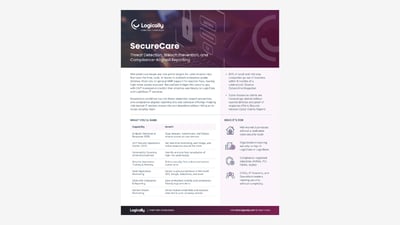
SecureCare
SecureCare offers 24/7 managed cybersecurity, ensuring mid-market organizations achieve robust threat detection, breach prevention, and compliance.
Learn More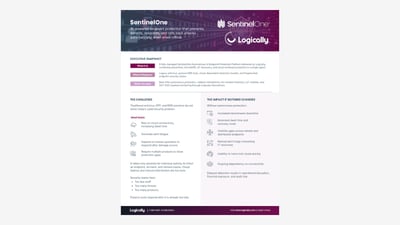
SentinelOne
Experience autonomous, AI-driven endpoint protection with SentinelOne, preventing and responding to threats automatically, even offline.
Learn More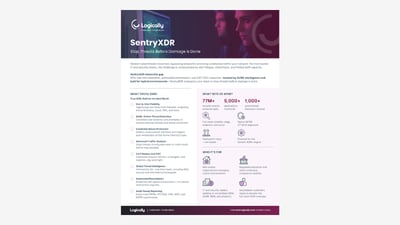
SentryXDR
SentryXDR unifies detection and response across your security environment, leveraging AI-driven analytics and expert support to stop threats.
Learn More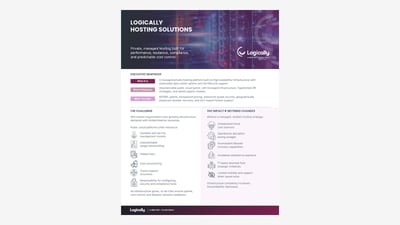
Hosting Solutions
Get high-performance, secure hosting solutions designed for mid-market IT leaders to ensure compliance, control, and eliminate cloud complexity.
Learn More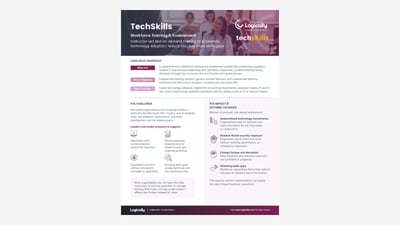
TechSkills
Accelerate technology adoption and reduce risks with structured workforce training from Logically and TechSkills, aligning your team's skills with your IT strategy.
Learn More
Fireside chat with Logically's AI Team - Lessons learned from the trenches
Join Logically's AI leaders for insights on implementing AI in mid-market organizations, overcoming challenges, and fostering a responsible AI culture.
Learn More
Seeing Isn’t Believing - Deepfakes and the Erosion of Digital Trust
Discover how deepfakes threaten mid-sized businesses and learn practical steps to protect your organization from emerging cybersecurity risks.
Learn More
AI as a Cybersecurity Force Multiplier: Practical Use Cases from the Field
Discover how AI enhances cybersecurity operations through real-world examples.
Learn More
Change Smarter: Leading Through the Disruption of Change
Access practical worksheets to lead effectively through change, turning resistance into resilience and using uncertainty as a catalyst for growth.
Learn More
Essential AI use cases as an IT Manager
Explore essential AI use cases for IT managers to enhance operations, improve productivity, and secure access to generative tools.
Learn More
Shadow AI: The Invisible Threat Inside Your Organization
Learn the strategies to identify and manage Shadow AI risks in your organization.
Learn More
Data or Bust: Building the Backbone for AI Success
Learn effective data management strategies to enhance data quality, security, and compliance.
Learn More
Fortifying the Cloud Edge - Securing and Scaling AI-Driven Infrastructures
Discover how AI enhances cybersecurity operations through real-world examples.
Learn More
The AI Paradox – Innovation, Complexity & Hype
Worksheets to help IT leaders implement secure AI strategies that drive business value and overcome organizational barriers.
Learn More
Surviving and Thriving Amid Cyber Regulation Overload
Navigate complex cybersecurity regulations and enhance compliance strategies with insights from our expert session and downloadable worksheets.
Learn More
Privacy on the Edge: Protecting Data in an AI-Driven World
Learn how to balance innovation with privacy in an AI-driven world while protecting sensitive data and promoting responsible data use.
Learn More
AI’s Ripple Effect Across the Org Chart
Learn how AI transforms organizational culture and operations across departments.
Learn More
Show Me the ROI – Budgeting for Real AI Outcomes
Learn how to budget for AI effectively, focusing on ROI, cost modeling, and stakeholder communication.
Learn More
Burnout, Balance & AI in the Human Workflow
Explore strategies to combat burnout in IT and InfoSec by leveraging AI, enhancing leadership, and fostering human-centered workflows.
Learn More
ThreatScape 2025: What Every Leader Needs to Know Now
Discover essential insights on emerging cyber threats for mid-market organizations in 2025, and access practical worksheets to improve your cybersecurity.
Learn More
From Telemetry to Triumph - Driving AI-Powered Performance with Sauber F1
Discover how the Sauber F1 team leverages AI and advanced networking to transform real-time data into actionable insights for competitive advantage.
Learn More
Born with a Bot: Educating the AI-Native Generation
Explore how the AI-native generation is reshaping IT and cybersecurity. Access worksheets to enhance training, mentorship, and recruitment.
Learn More
Technology Stack Rehab – TCO & Tool Sprawl
Streamline your technology stack by auditing tools and creating a consolidation plan to enhance efficiency and reduce costs in IT and cybersecurity.
Learn More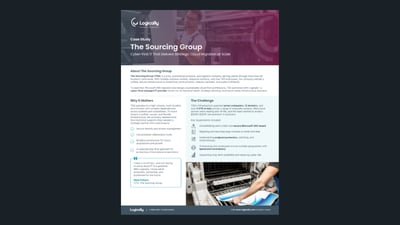
Cloud Migration Case Study: Secure, Scalable Microsoft 365 Transformation
The Sourcing Group unified 20+ locations into a single Microsoft 365 environment with Logicallys cyber-first MSP cloud migration that scales logistics IT.
Learn More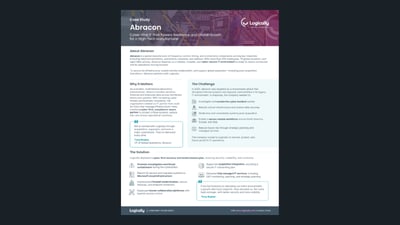
Cybersecurity Case Study: Ransomware Recovery and IT Modernization
See how Abracon restored operations after ransomware and modernized global IT with Logically. Download the case study on cyber-first recovery!
Learn More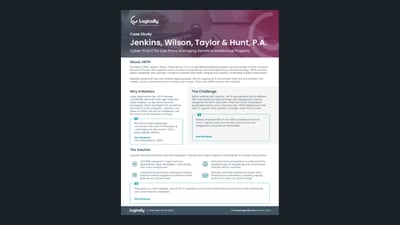
Cybersecurity Case Study: Secure IT for Law Firms Managing Sensitive Data
See how JWTH secured high-value intellectual property and remote legal workflows with Logically. Learn how a cyber-first MSP protects sensitive client data
Learn More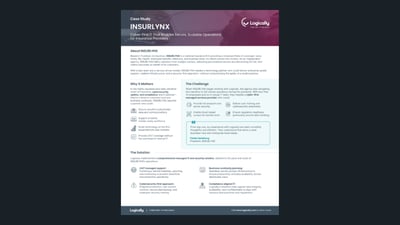
Cybersecurity Case Study: Secure, Compliant IT for Insurance Firms
See how INSURLYNX secured sensitive data & enabled remote work with Logically. Learn how a cyber-first MSP ensures compliance & uptime for insurance firms.
Learn More
Cybersecurity Case Study: IT Resilience for Financial Services
See how GEM strengthened business continuity and 24/7 global support with Logically. Learn how a cyber-first MSP secures high-stakes financial operations.
Learn More
Cybersecurity Case Study: HIPAA Compliance and Risk Reduction
See how Gaston County strengthened HIPAA compliance & protected sensitive health data with Logically. Learn how a cyber-first risk assessment reduces risk
Learn More
Cybersecurity Case Study: Unified IT for Government Operations
See how Churchill County unified IT & secured 12 facilities with Logically. Learn how centralized MSP support and private VLANs protect public sector data
Learn More
Cybersecurity Case Study: Secure, Reliable IT for Patient Care
See how Cleveland Pediatrics stabilized EHR uptime and secured patient data with Logically. Improve HIPAA compliance & care delivery with a cyber-first MSP
Learn More
Cybersecurity Case Study: Scalable IT for Engineering Growth
Environmental Partners scaled from a small team to a regional firm with Logically. Learn how a cyber-first MSP secures remote teams and engineering data.
Learn More
Cybersecurity Case Study: Resilient, Compliant IT Across 50+ Locations
See how Catholic Charities Maine secured 50+ locations and cut downtime with Logically's cyber-first MSP that ensures HIPAA compliance and WAN resilience.
Learn More
Cybersecurity Case Study: Secure, Scalable IT for Logistics
Discover how Allen and Coles modernized IT and shifted to remote work in 24 hours with Logically's cyber-first MSP improved security and logistics.
Learn More
Financial Services IT Case Study: Secure, Compliant Global Operations
See how Morgan Creek Capital secured global operations and met SEC requirements with Logically. Learn how a cyber-first MSP enables compliant remote work.
Learn More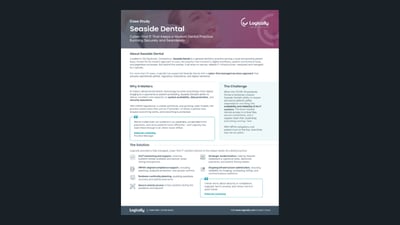
Healthcare IT Case Study: Secure, HIPAA-Compliant Dental Operations
Seaside Dental achieved zero downtime and strengthened HIPAA compliance with Logically. Learn how a cyber-first MSP enables secure, paperless workflows.
Learn More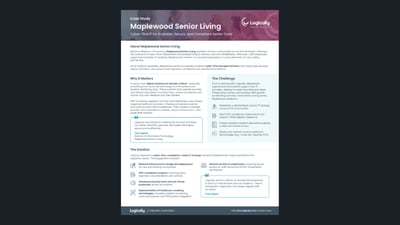
Healthcare IT Case Study: Scalable, Secure Senior Care Operations
Maplewood Senior Living standardized IT and met SOC compliance with Logically. Learn how a cyber-first MSP secures senior care across multiple locations.
Learn More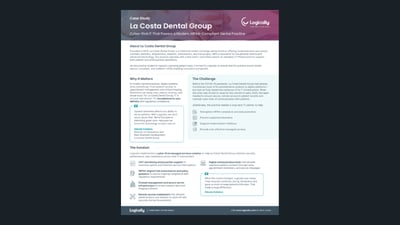
Healthcare IT Case Study: Secure, HIPAA-Compliant Dental Practice
See how La Costa Dental Group improved HIPAA compliance and uptime with Logically. Learn how a cyber-first MSP secures patient data and digital workflows.
Learn More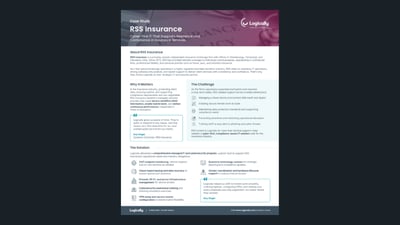
Insurance IT Case Study: Secure, Compliant Operations with Zero Disruption
RSS Insurance secured client data and enabled hybrid work with Logically. Learn how a cyber-first MSP ensures zero disruption and business continuity.
Learn More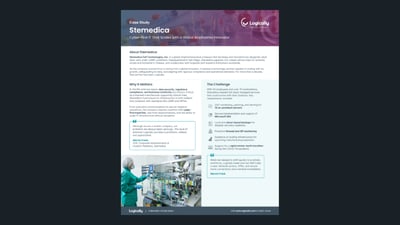
Life Sciences IT Case Study: Secure, Compliant Growth for Biopharma
Stemedica secured research data and met cGMP requirements with Logically. Learn how a cyber-first MSP scales global biopharma with secure remote access.
Learn More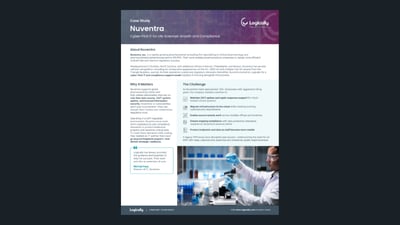
Life Sciences IT Case Study: Secure, Compliant Growth for Pharmaceutical Consulting
See how Nuventra achieved 24/7 uptime and strengthened data integrity with Logically. Learn how a cyber-first MSP scales secure, compliant life sciences IT
Learn More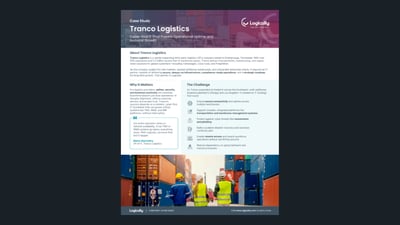
Logistics IT Case Study: Secure, Scalable Infrastructure for Operational Uptime
Tranco Logistics achieved zero downtime and secured national growth with Logically. Learn how a cyber-first MSP protects critical TMS and WMS platforms.
Learn More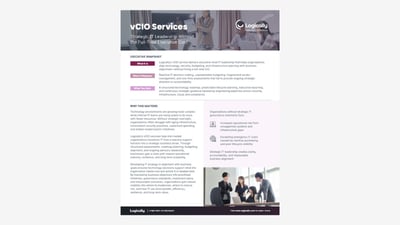
vCIO Services
Access strategic IT leadership with vCIO services, providing executive guidance, technology roadmaps, and compliance expertise for growth & security.
Learn More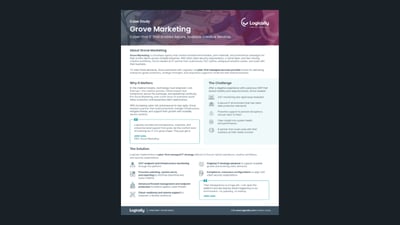
Managed IT and Cybersecurity Case Study: Grove Marketing
See how Grove Marketing secured client data & enabled hybrid work with Logically with a cyber-first MSP to eliminate downtime and scale creative workflows
Learn More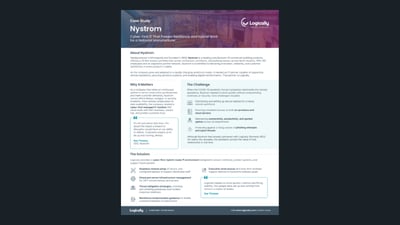
Manufacturing IT Case Study: Secure, Scalable Hybrid Work Enablement
Nystrom enabled secure hybrid work and 24/7 data access with Logically. Learn how a cyber-first MSP secures manufacturing IT and boosts remote productivity
Learn More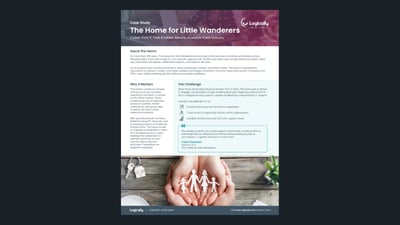
Nonprofit IT Case Study: Secure, Scalable Technology for Care Delivery
The Home for Little Wanderers modernized IT for 500+ users with Logically. Learn how a cyber-first MSP enables secure, scalable care across 15 locations.
Learn More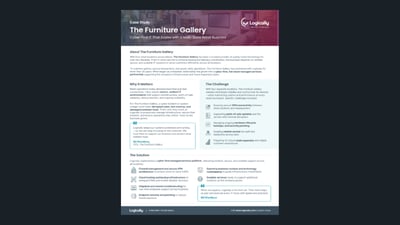
Retail IT Case Study: Secure, Scalable IT for Multi-Store Operations
The Furniture Gallery secured POS systems and centralized IT across multiple stores with Logically. Learn how a cyber-first MSP ensures retail uptime.
Learn MoreSorry! There weren't any results for that filter, please try something different.
Looking For a Trusted Ally?
Speak to one of our experts and learn how Logically can solve your security and IT problems.
