
Cybersecurity Responsibility Starts at the Edge: Why One Simple Habit Matters More Than You Think
Cybersecurity responsibility starts at the router. Learn how simple habits like updates and weekly reboots reduce risk across home and business networks.
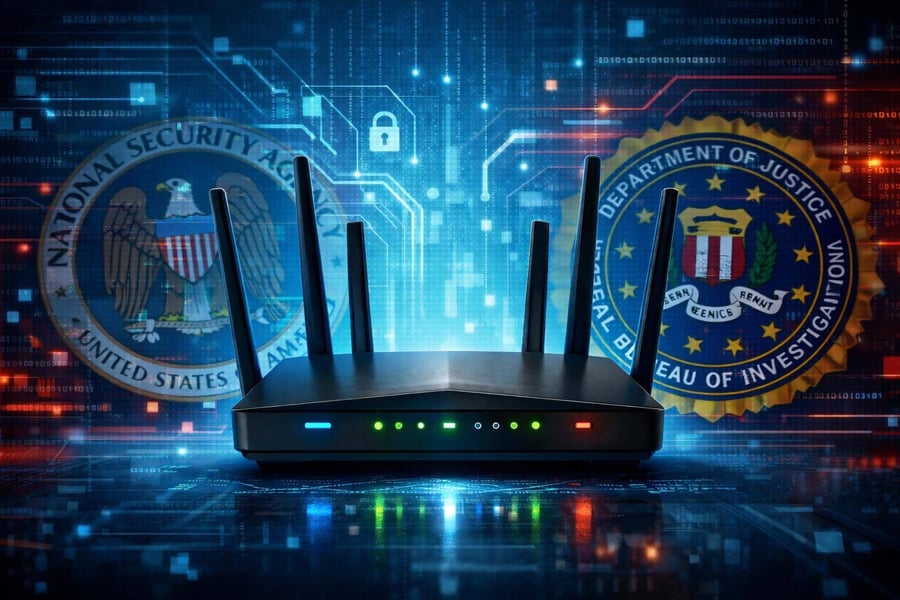
Key Takeaways
- Cybersecurity responsibility includes securing home routers because they are a critical access point for attackers targeting both individuals and businesses. Federal agencies warn that weak router configurations allow threat actors to intercept traffic and access sensitive data, making router security a foundational step in reducing overall cyber risk.
- Home network vulnerabilities can extend directly into enterprise environments, especially in remote and hybrid work models. When employees connect to business systems from unsecured routers, attackers can exploit those connections for credential theft, unauthorized access, and lateral movement across corporate networks.
- Routine router maintenance, including scheduled reboots, is a simple and effective cybersecurity practice recommended by the NSA. Regular restarts help clear temporary memory and disrupt certain types of malware, providing a consistent and low effort way to improve cyber hygiene.
- Most router security risks are caused by preventable gaps such as default credentials, outdated firmware, unsupported devices, and misconfigurations. Addressing these issues aligns with federal guidance and significantly reduces exposure across both personal and organizational environments.
What Does Cybersecurity Responsibility Really Mean Today?
Cybersecurity responsibility is no longer the sole responsibility of IT departments. It now extends across employees, households, and leadership teams. Every connected device introduces potential risk. Every unsecured network creates a pathway for threat actors.
At its core, cybersecurity responsibility means that individuals and organizations share accountability for protecting systems, data, and access points. That includes something many overlook: the home router.
This is not theoretical. Federal agencies are raising concerns about how attackers are exploiting weak network infrastructure to gain access to sensitive data. What begins as a vulnerability in a home environment can quickly become an enterprise risk.
For mid-market organizations, the implication is clear. Security is no longer limited to the office. It follows users wherever they connect – at home, the coffeeshop, and other public wifi locations.
Why Are Routers Becoming a Primary Target for Cyber Attacks?
Routers sit at the edge of digital activity. They connect devices, manage traffic, and often operate quietly without oversight. That makes them an attractive target.
The National Security Agency has warned that malicious actors are actively targeting home networks to access private and confidential information. According to NSA guidance, attackers can exploit outdated firmware and weak configurations to infiltrate systems and steal credentials.
The NSA cautions that “at a minimum, you should schedule weekly reboots of your routing device, smartphones, and computers. Regular reboots help to remove implants and ensure security.”
The FBI reinforces this concern, noting that state sponsored groups have exploited vulnerable routers worldwide to intercept sensitive communications.
Recent reporting highlights that advanced persistent threat groups have targeted widely used consumer routers, including known vulnerabilities such as CVE-2023-50224.
This is not just a government issue. It is a widespread exposure point affecting everyday users and organizations alike.
How Does Home Network Risk Impact Businesses?
The line between personal and professional environments has blurred. Remote and hybrid work models mean employees regularly access corporate systems from home networks.
If a home router is compromised, it may act as an entry point into business systems.
This creates several risks:
- Credential theft through intercepted traffic
- Unauthorized access to corporate applications
- Lateral movement into enterprise environments
According to industry reporting, cyber attacks targeting small and mid-sized businesses continue to rise, with a significant percentage linked to weak endpoint and network security practices.
The takeaway is straightforward. Cybersecurity responsibility extends beyond corporate firewalls. It includes the environments employees use every day, and especially those networks from which employees connect.
What Are the Most Common Gaps in Router Security and Cyber Hygiene?
Despite the risks, basic security practices are often ignored.
Avoid:
- Keeping
- Delay or ignore firmware updates
- Continue using unsupported or end of life devices
- Leave remote management features enabled
The NSA outlines several best practices for securing home networks, including updating firmware, disabling unnecessary access points, and replacing outdated hardware.
Another overlooked habit is regular device maintenance. The agency recommends routine restarts of routers and connected devices to help remove potential malicious persistence mechanisms.
This is where cyber hygiene becomes critical. Small, consistent actions can significantly reduce exposure.
Why Is Something as Simple as Rebooting Your Router Important?
It sounds basic, but it is effective. Rebooting a router clears temporary memory, disrupts certain types of malware, and forces connections to reset. While it is not a complete defense, it is a practical layer of protection.
Security agencies recommend scheduling regular restarts as part of routine cyber hygiene. Yet most users only reboot when connectivity fails. Establishing a simple routine can change that. For example, setting a weekly restart schedule ensures consistent maintenance without relying on memory.
In an environment where attacks are increasing in scale and automation, even small actions can create friction for attackers.
What Broader Risks Should Organizations Be Paying Attention To?
Beyond individual behavior, broader supply chain and infrastructure risks are emerging.
Reports highlighted by PCMag indicate that regulatory scrutiny around foreign manufactured routers could impact widely used brands and availability.
At the same time, data from Ookla suggests that many popular router brands dominate market share, creating concentrated risk if vulnerabilities are discovered at scale.
Industry analysts also notes that most consumer-grade routers are manufactured overseas, with limited domestic production.
For organizations, this reinforces the need to:
- Establish clear security policies for remote environments and user access
- Validate device lifecycle and support status
- Monitor firmware updates closely
- Enable security tools for remote access that allow for posture checking on end user devices
Cybersecurity responsibility is not just about reacting to threats. It requires understanding where risk originates and how it evolves.
What Does Strong Cybersecurity Responsibility Look Like in Practice?
It starts with awareness, but it must translate into action.
For individuals:
- Change default credentials immediately
- Enable automatic updates where possible
- Replace unsupported devices
- Limit inbound remote access
- Schedule routine reboots
For organizations:
- Establish or extend security policies to remote environments
- Educate employees on home network risks
- Monitor endpoint and network activity
- Reinforce shared accountability across teams
Cybersecurity responsibility is not a single control or tool. It is a mindset supported by consistent habits.
A Final Thought: Small Actions, Meaningful Impact
The router in the corner of a home office may not seem critical. It, in reality, can be one of the most exposed assets in a connected environment.
Security agencies are clear. Attackers are looking for easy entry points, and home networks often provide them.
The good news is that improvement does not always require complex solutions. It starts with attention and routine.
Take a moment to review your network setup. Check if your router is still supported. Update it. Restart it. Build a habit around maintaining it.
Cybersecurity responsibility is shared. And often, it begins with the simplest actions.
Last updated July 2026
FAQS
What is cybersecurity responsibility?
Cybersecurity responsibility means individuals and organizations share accountability for protecting systems, data, and access points across all environments. This includes home networks, employee devices, and enterprise systems, especially as remote work expands the traditional security perimeter.
Why are routers a primary target for cyber attacks?
Routers are a primary target because they sit at the center of network traffic and often operate without active oversight. Attackers exploit outdated firmware, weak configurations, and default credentials to intercept communications and gain access to connected systems.
How can a compromised home router impact a business?
A compromised home router can impact a business by acting as an entry point into corporate systems. This can enable credential theft, unauthorized access, and lateral movement across enterprise environments when employees connect remotely.
How often should you reboot your router for security?
You should reboot your router at least once per week as part of routine cyber hygiene. The NSA recommends regular restarts to help remove potential malicious persistence and maintain a more secure network environment.
What are the most common router security mistakes?
The most common router security mistakes include leaving default usernames and passwords unchanged, failing to update firmware, using unsupported devices, and enabling unnecessary remote management features that increase exposure.
How can organizations strengthen cybersecurity responsibility?
Organizations can strengthen cybersecurity responsibility by extending security practices beyond the office to include home networks. This includes employee education, monitoring endpoint activity, and reinforcing shared accountability across teams.