IT Business Alignment: 6 Ways to Drive Business Value
Improve IT business alignment with six leadership strategies that strengthen operational efficiency, reduce wasted effort, and maximize business value.
Key Takeaways
- IT business alignment ensures technology investments, workforce capabilities, and operational priorities contribute directly to measurable business outcomes.
- Leadership can unintentionally destroy business value through burnout, exclusion, demotivation, skills gaps, ineffective planning, and organizational misalignment.
- Leadership expert Andy Ellis identifies six disciplines for protecting and creating value: wellness, inclusion, inspiration, development, planning, and alignment.
- Strategic IT planning helps organizations establish clear success criteria, prioritize investments, and eliminate initiatives that no longer serve business objectives.
- IT operational efficiency improves when organizations measure meaningful outcomes rather than simply tracking activity.
- Integrating IT operations and cybersecurity under one accountable operating model helps reduce organizational friction, strengthen resilience, and protect business value.
IT Business Alignment: 6 Leadership Strategies to Stop Destroying Business Value
IT business alignment connects technology strategy, workforce capabilities, and operational priorities to business objectives, helping organizations reduce wasted effort, improve productivity, and maximize the value of their investments.
Yet even organizations with talented people, sophisticated technology, and substantial resources can unintentionally destroy the value they work so hard to create.
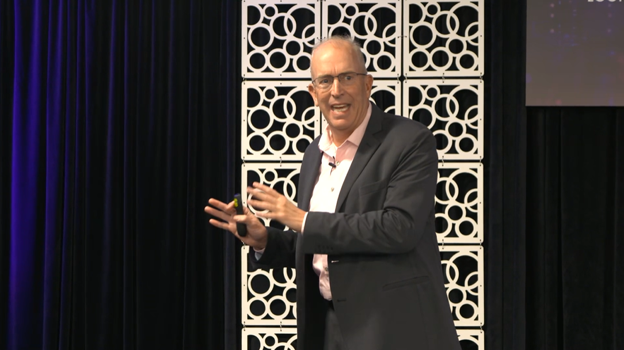
In his LogicON presentation, Stop Destroying Value, cybersecurity and leadership expert Andy Ellis, author of 1% Leadership, challenged conventional thinking about leadership. Rather than equating leadership with authority, Ellis examined how everyday decisions and behaviors influence an organization's ability to turn work into meaningful business outcomes.
For business executives and technology leaders, his framework offers six practical disciplines for improving IT operational efficiency, strengthening organizational performance, and protecting business value.
What Is IT Business Alignment, and Why Does It Matter?
IT business alignment is the practice of ensuring technology investments, operational activities, cybersecurity priorities, and workforce capabilities directly support an organization's strategic business objectives.
Effective alignment requires leaders to look beyond how much work is being completed and examine whether that work produces meaningful results.
As Ellis explained:
“Work is the conversion of energy into value,
and leadership is the way that we affect that transaction.”
Leadership extends beyond executive authority. Every employee can influence how effectively colleagues perform their responsibilities, collaborate, and contribute to organizational success.
For organizations managing complex technology environments, this perspective is particularly important. Competing priorities, fragmented operations, and limited resources can consume workforce capacity without delivering corresponding business benefits.
What Are the Six Leadership Mistakes That Destroy Business Value?
Ellis identifies six organizational challenges that prevent employees from converting their energy into productive business outcomes.
|
Value Destroyer |
Business Impact |
Leadership Discipline |
|
Burnout |
Reduced workforce capacity and productivity |
Wellness |
|
Exclusion |
Disengagement and reduced collaboration |
Inclusion |
|
Demotivation |
Declining engagement and performance |
Inspiration |
|
Inability |
Skills gaps, errors, and rework |
Development |
|
Ineffectiveness |
Wasted investments and unsuccessful initiatives |
Planning |
|
Misalignment |
Conflicting priorities and organizational friction |
Alignment |
Addressing these challenges requires leaders to examine not only what their teams accomplish but also the organizational conditions under which they work.
How Can Leaders Improve IT Operational Efficiency and Business Value?
Leaders can improve IT operational efficiency by applying six leadership disciplines that address workforce capacity, employee engagement, skills development, strategic planning, and organizational alignment.
1. Prioritize Employee Wellness to Protect Workforce Capacity
Employee wellness protects business value by helping people maintain the physical and mental capacity required to perform their responsibilities effectively.
Technology professionals frequently manage competing demands, unexpected outages, cybersecurity incidents, and increasingly complex environments. When workloads consistently exceed available capacity, employees have fewer resources to devote to proactive improvements and strategic initiatives.
Ellis emphasized the importance of wellness:
“Wellness is your greatest asset.”
Leaders should monitor workload distribution, encourage employees to take available time off, and ensure operational commitments do not undermine organizational wellness policies.
For IT teams facing persistent resource constraints, additional expertise and operational support can help reduce the burden on internal staff.
2. Build an Inclusive Culture That Reduces Organizational Friction
Workplace inclusion improves organizational performance by creating an environment where employees can contribute their expertise, raise concerns, and participate without unnecessary barriers.
When employees feel excluded or uncomfortable speaking up, valuable insights can go unheard. In cybersecurity, that could mean an emerging vulnerability or questionable practice remains unreported.
Ellis recommends building inclusion through small, consistent interactions. One practical approach is to track informal conversations with team members to identify individuals who may be receiving less attention.
Executives must also address harmful workplace behaviors, regardless of an employee's technical expertise or individual performance. Technical excellence should not come at the expense of organizational culture.
3. Inspire Employees by Connecting Work to Business Outcomes
Employee motivation improves when individuals understand the purpose of their work, receive recognition for their contributions, and have opportunities to apply their strengths.
Technology teams can lose sight of their broader impact when success is defined exclusively by tickets, alerts, and technical deliverables.
Instead, leaders should explain how infrastructure improvements support uninterrupted operations, how cybersecurity initiatives protect customers, and how technology modernization enables business growth.
Recognizing incremental achievements reinforces the connection between individual contributions and organizational success.
4. Develop Skills Before Capability Gaps Become Business Risks
Continuous professional development helps organizations close IT skills gaps, reduce operational dependencies, and prepare employees for evolving technology and cybersecurity requirements.
Ellis encourages managers to discuss the roles employees might hold two jobs into the future rather than focusing exclusively on their next promotion. This creates opportunities to explore long-term interests without turning development conversations into immediate promotion negotiations.
For technology leaders, development priorities might include cloud architecture, cybersecurity, artificial intelligence (AI), automation, and technology governance.
Where internal development cannot address immediate capability gaps, external specialists can provide complementary expertise.
5. Use Strategic IT Planning to Prevent Wasted Investments
Strategic IT planning reduces wasted resources by establishing clear business objectives, measurable success criteria, and conditions for reevaluating or discontinuing initiatives.
Ellis recommends defining success criteria before beginning an initiative and establishing termination criteria for recurring activities that may eventually stop delivering value.
Technology leaders can apply these principles by asking:
- What business problem does this initiative solve?
- How will success be measured?
- What resources and dependencies are required?
- What conditions would justify changing or discontinuing the initiative?
Strategic IT planning helps organizations avoid continuing projects simply because substantial time or money has already been invested.
6. Align IT and Cybersecurity With Shared Business Objectives
IT business alignment improves when technology and cybersecurity teams operate against shared objectives, coordinated priorities, and clearly defined accountability.
Ellis recalled an experience at Akamai where security professionals resisted a technology that would intercept certain attacks because it would prevent them from reporting those attacks themselves.
The example illustrates how performance metrics can unintentionally reward activity rather than successful business outcomes.
A more effective approach to IT operational efficiency evaluates technology performance through business-relevant measures such as critical system availability, risk reduction, incident resolution, and recovery readiness.
How Can Organizations Turn IT Business Alignment Into Business Value?
Organizations can strengthen IT business alignment by integrating technology operations, cybersecurity, and strategic guidance into a coordinated operating model with shared visibility and clear accountability.
This is particularly important for midsized businesses managing distributed locations, complex infrastructure, and limited internal technology resources.
Logically brings IT operations and cybersecurity together under one accountable, cyber-first operating model. Our approach combines AI-assisted monitoring with human-led expertise to help organizations reduce operational complexity, manage risk, and strengthen resilience.
Through Managed IT Services and Strategic Services, Logically helps organizations address operational demands while aligning technology decisions with long-term business priorities.
Effective leadership is not about demanding more from already stretched teams. It is about creating the conditions that allow people, processes, and technology to deliver their greatest potential value.
Explore Logically's Strategic Services to discover how your organization can strengthen technology alignment, reduce operational friction, and build a more resilient foundation for growth.

Source: Stop Destroying Value: Building Leadership 1% at a Time LogicON Session by Andy Ellis, Author, 1% Leadership
Last updated November, 2026.
FAQs
What is IT business alignment?
IT business alignment is the practice of ensuring technology investments, operational activities, cybersecurity priorities, and workforce capabilities directly support an organization's strategic business objectives.
How can leaders improve IT operational efficiency?
Leaders can improve IT operational efficiency by applying six leadership disciplines that address workforce capacity, employee engagement, skills development, strategic planning, and organizational alignment.
Why is employee wellness important to business performance?
Employee wellness protects business value by helping people maintain the physical and mental capacity required to perform their responsibilities effectively.
How does workplace inclusion improve organizational performance?
Workplace inclusion improves organizational performance by creating an environment where employees can contribute their expertise, raise concerns, and participate without unnecessary barriers.
How can organizations address IT skills gaps?
Continuous professional development helps organizations close IT skills gaps, reduce operational dependencies, and prepare employees for evolving technology and cybersecurity requirements.
How does strategic IT planning reduce wasted resources?
Strategic IT planning reduces wasted resources by establishing clear business objectives, measurable success criteria, and conditions for reevaluating or discontinuing initiatives.
How can IT and cybersecurity teams improve business alignment?
IT business alignment improves when technology and cybersecurity teams operate against shared objectives, coordinated priorities, and clearly defined accountability.
How can organizations turn IT business alignment into business value?
Organizations can strengthen IT business alignment by integrating technology operations, cybersecurity, and strategic guidance into a coordinated operating model with shared visibility and clear accountability.